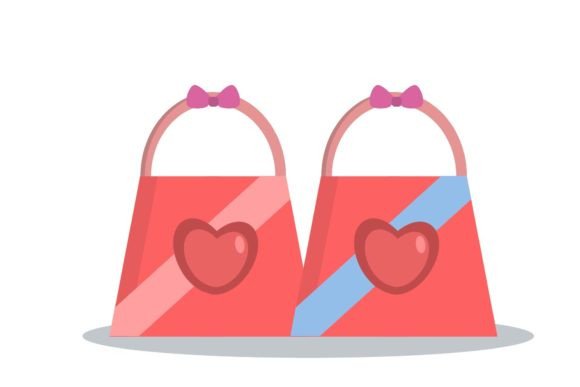
Designing Memorable Favors with Wedding Goodie Bag Vector Art
There is a specific moment at every wedding reception when guests look down at their place setting or the exit table and discover a small token of appreciation. That moment is about more than just candy or a trinket; it is a branding opportunity for the couple. Whether you are a designer creating stationery for a client or a bride-to-be handling your own DIY projects, the visual identity of those favors needs to be impeccable. This is where high-quality Wedding Goodie Bag Vector Art comes into play, offering the precision and scalability necessary to create professional-grade packaging that leaves a lasting impression. Unlike raster images that pixelate when resized, vector files allow you to manipulate scale, color, and layout without losing a single ounce of clarity, ensuring your design looks just as sharp on a tiny favor tag as it does on a welcome sign.
The Power of Scalability in Packaging Design
When working on wedding collateral, you are rarely dealing with a single medium. You might be designing a monogram for the main invitation suite, a wax seal stamp for the envelopes, a digital graphic for the wedding website, and the artwork for the actual goodie bags. If you are working with a rasterized JPEG or PNG, you will quickly run into trouble when trying to resize that graphic for a 2-inch sticker versus a large poster. Wedding Goodie Bag Vector Art solves this workflow bottleneck entirely.
Because vector graphics are mathematically defined paths rather than a grid of pixels, they are infinitely scalable. This is a massive advantage for packaging design. Imagine you have designed a beautiful floral motif for a gift bag. You can use that exact same file to etch onto glassware, print on napkins, or create a foil-stamped box lid. For the small business owner selling pre-made wedding templates, offering vector-based assets immediately elevates your product. It signals to the customer that you are providing a professional design asset that they can customize to fit their specific needs, rather than a static image they can barely edit.
Building a Cohesive Brand Identity for the Event
We often talk about brand identity in the context of corporations, but a wedding is essentially a pop-up brand activation. The couple has a color palette, a specific vibe (rustic, modern, vintage), and a logo (their monogram). To make the event feel cohesive, that visual language needs to be consistent across every touchpoint.
This is where the versatility of vector art shines. If you are a content creator or marketer helping a client with their "wedding brand," you can use vector elements to create a unified system. The floral elements used on the goodie bags can be repurposed as watermarks on photos, borders for the menu, or graphics for the Instagram stories announcing the wedding date. This creates a seamless visual journey for the guests. It transforms a collection of random items into a curated experience. When the aesthetic of the favor bag matches the typography on the escort cards, you achieve a level of visual consistency that makes the event feel expensive and well-thought-out.
Practical Applications Beyond the Big Day
While the immediate application is for the wedding day itself, the utility of high-quality vector art extends far beyond the event. For graphic designers and freelancers, assets like these are goldmines for stock inventory or client work.
Consider the versatility of these elements in other contexts:
- Logo Design: You can extract a single element—like a specific leaf or ribbon shape—from a wedding vector set to use as an icon for a boutique bakery or a wedding planning service.
- Social Media Graphics: The intricate details of vector art hold up beautifully in high-resolution mobile feeds. They are perfect for creating elegant Instagram templates or Pinterest pins for lifestyle blogs.
- Print Materials: Think beyond the bag. These vectors are perfect for business cards for florists, headers for stationery shops, or background textures for editorial layouts in magazines.
- Merchandise: If you are selling on platforms like Etsy or Redbubble, vector art is essential for printing on mugs, tote bags, and t-shirts because it ensures the print quality remains crisp.
For the hobbyist or crafter, having a library of vectors means you are always ready for a project. Whether you are using a Cricut or Silhouette machine to cut vinyl decals or simply printing out tags for homemade holiday gifts, the source material is ready to perform.
Choosing the Right Aesthetic and Style
Not all vector art is created equal, and choosing the right style is crucial for hitting the right emotional note. Wedding design trends shift, but certain aesthetics remain timeless. You might be looking for delicate line art, which offers a modern, minimalist feel perfect for web design and contemporary invitations. Alternatively, you might need lush, filled botanical illustrations for a more romantic, vintage vibe suitable for editorial design.
When selecting your assets, consider the "personality" of the art. Does it feel formal or casual? Busy or clean? If you are designing a goodie bag for a rustic barn wedding, a sleek, geometric vector set might feel out of place. Conversely, if you are designing for a chic city hall ceremony, heavy flourishes might feel cluttered. Look for sets that offer variety—perhaps a mix of serif and sans serif compatible elements, or frames that can accommodate both script and handwritten fonts. This flexibility allows you to adapt the art to the specific typography choices of the couple.
Technical Considerations for Designers
From a workflow perspective, working with vectors requires a bit of technical know-how, but the payoff in professional presentation is worth it. When you download a vector set, you are usually getting an .AI, .EPS, or .SVG file. These files are fully editable in software like Adobe Illustrator or Affinity Designer.
This editability is vital for brand recognition and customization. You aren't stuck with the default colors. You can eyedrop the exact hex code of the wedding theme and apply it to the vectors in seconds. You can ungroup the elements, move leaves around, flip ribbons, and combine different motifs to create something unique. This level of control is what separates amateur designs from professional work. It allows you to solve visual problems on the fly—if a design is too tall for a bag, you can rearrange the elements without stretching or distorting the image.
Furthermore, always check the commercial licensing of the vector art you use. If you are a designer selling templates or a small business creating products for sale, you need to ensure the license permits commercial use. Respecting licensing not only protects you legally but supports the artists who create these high-quality design assets.
Enhancing the User Experience
Ultimately, the goal of using high-quality vector art for wedding goodie bags—and any other design project—is to enhance the experience for the viewer. Readability and visual appeal go hand in hand. A clean, well-structured vector graphic guides the eye and communicates a message instantly. It suggests care, attention to detail, and quality.
Whether you are a small business owner trying to stand out in a crowded market, or a designer curating the perfect look for a client, utilizing resources like Wedding Goodie Bag Vector Art provides a solid foundation. It allows you to focus on the creative application rather than struggling with low-quality source files. By integrating these scalable, versatile assets into your toolkit, you ensure that your designs are not only beautiful but also functional, adaptable, and ready for any medium.